

While career-technical education at the high school level gives forward-thinking high schoolers a head start on a career, the training opportunities don’t end at graduation. For adults who find that college isn’t in the cards or who realize that they need more training to reach their goals, adult education programs at area career centers like Great Oaks Career Campuses can be the answer.
Alternate pathways to a successful career are essential; even among those who attend college, only about 61% complete a bachelor’s degree within six years.
A Skill Driven Economy
For the U.S. economy, too, a skilled workforce is crucial. According to a 2025 report from Georgetown University, “Falling Behind: How Skills Shortages Threaten Future Jobs,” some 5.25 million jobs will be unfilled by 2030 due to a lack of skilled workers. While many of those will require a college degree, the skills shortage cuts across the board. In fact, 171 of more than 500 careers studied will be affected by the shortage. About 2.9 million of those jobs expected to be unfilled are management positions; about 44% will not require a degree—so there will be opportunities for upwardly mobile adults who have skills but no degree.
The most valuable in-demand skills are those that can’t be replicated by AI or provided by sources outside the country. That’s where local career centers really shine, offering training and education in health care, public safety, and skilled trades; and those options are long-term paths. “Being able to work with patients, put out fires, develop building sites with heavy equipment, repair and maintain aircraft and automobiles, and construct new buildings are skills that won’t be outsourced or eliminated in the foreseeable future,” said Great Oaks President Harry Snyder.
Preparing for a better future doesn’t have to be a long process, though. The typical program takes ten months or less from start to finish.
Industry Connections & Application
As with high school career-technical education, adult programs are closely linked to local business and industry. Advisory committees review curriculum, provide input into equipping labs and classrooms, keep instructors abreast of future directions in the field, and may even mentor students.
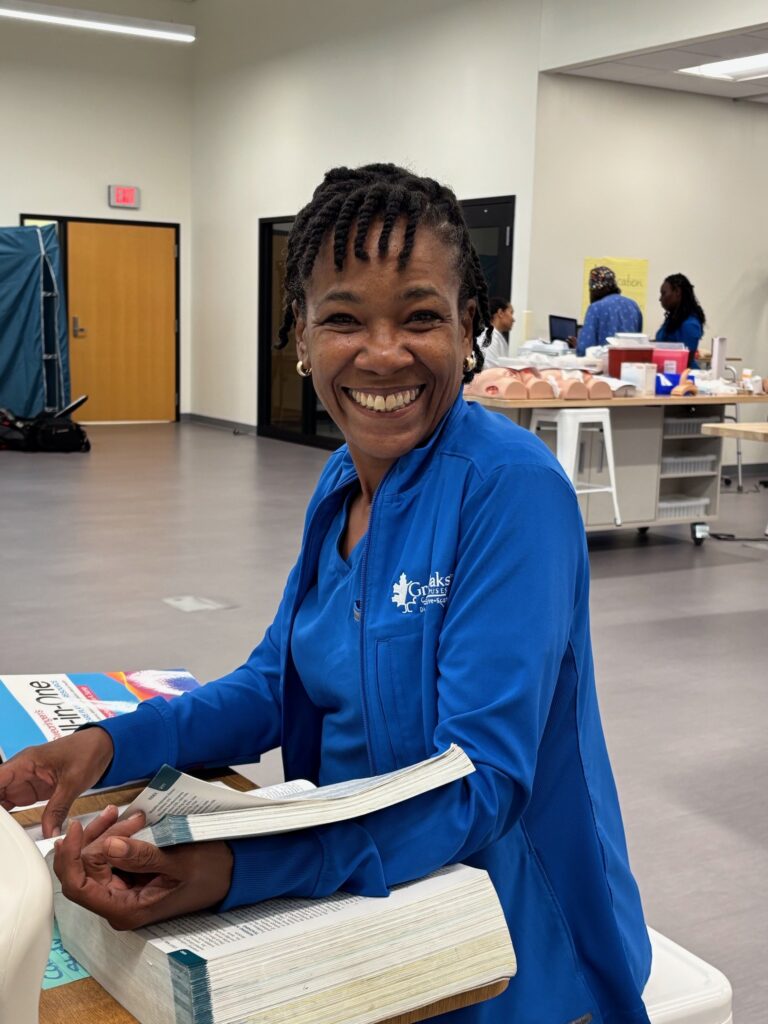
The coursework isn’t only theoretical or conceptual. Adult students learn in labs that mirror real-world conditions and situations and perform the actual work they’ll do in their careers. Instructors are working professionals themselves. Police academy students learn from local law enforcement officials, for instance; RNs and other health care professionals lead nursing classes, and aviation maintenance students are taught by FAA-certified instructors.
“There were instructors at different points in their career,” said Sydney, a Fire Academy graduate. “Some were retired, and others had been on the job for more than five years. There were lieutenants, captains, chiefs, and regular firefighters and paramedics teaching us. We got a lot of different perspectives.”
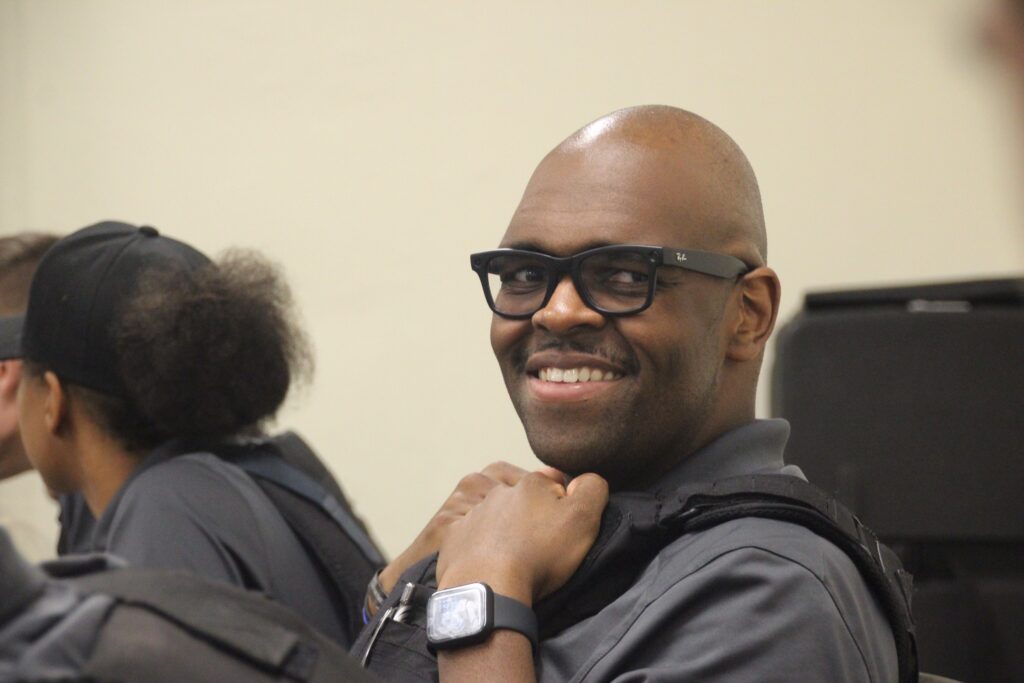
Police Academy graduate Malik agreed. “Each instructor has a different and unique way of teaching us and shaping us and challenging us.”
And when they’re done, students can earn an industry certification that is portable, following them to any job in that career field.
“Learning technical and professional skills gives adults the chance to step up into a new career or better role with their current employer,” said Snyder. “Coupling those skills with a recognized credential gives that adult additional options and opportunities.”
“I dedicated most of my life to raising my kids,” said health care student Marquita. “Now I’m confident that I will be marketable. I can’t wait to get out into the real world.”

By: Jon Weidlich
Great Oaks Career Campuses