
The American workforce is filled with STARs. That is, the workforce is filled with individuals who are Skilled Through Alternative Routes—those whose career path didn’t include a bachelor’s degree.
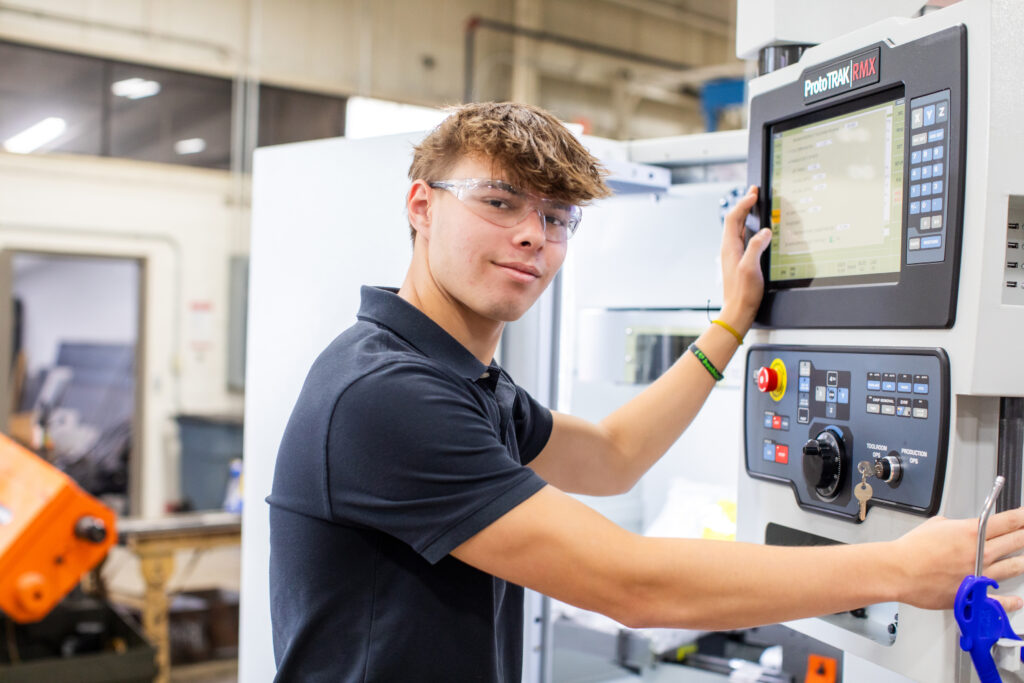
STARs Are the Backbone of Today’s Workforce
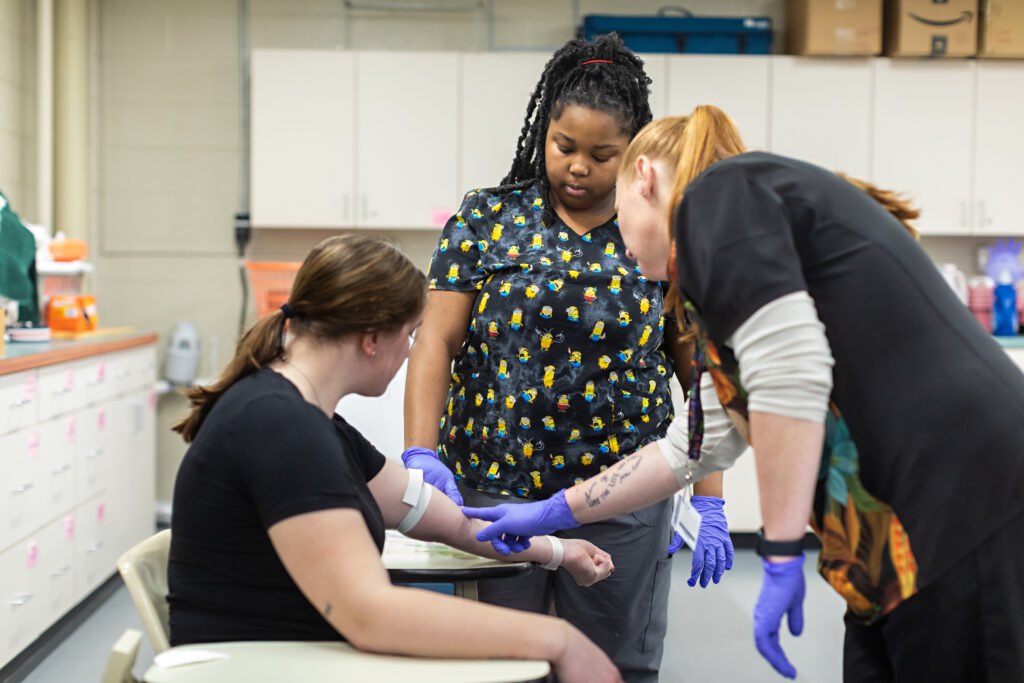
Chances are you’ve benefited from their knowledge and talent recently. The graphic designer who laid out your company’s latest newsletter, the health care professional you saw first during your last office visit, the technician who understands the technology under the hood of your EV, and the police officer keeping your community safe all may have earned their credentials through a career-technical school or other specialized training.
And this skills-first approach to the workforce isn’t unusual. After all, more than 70% of jobs in the Cincinnati region don’t require a four-year degree or higher.
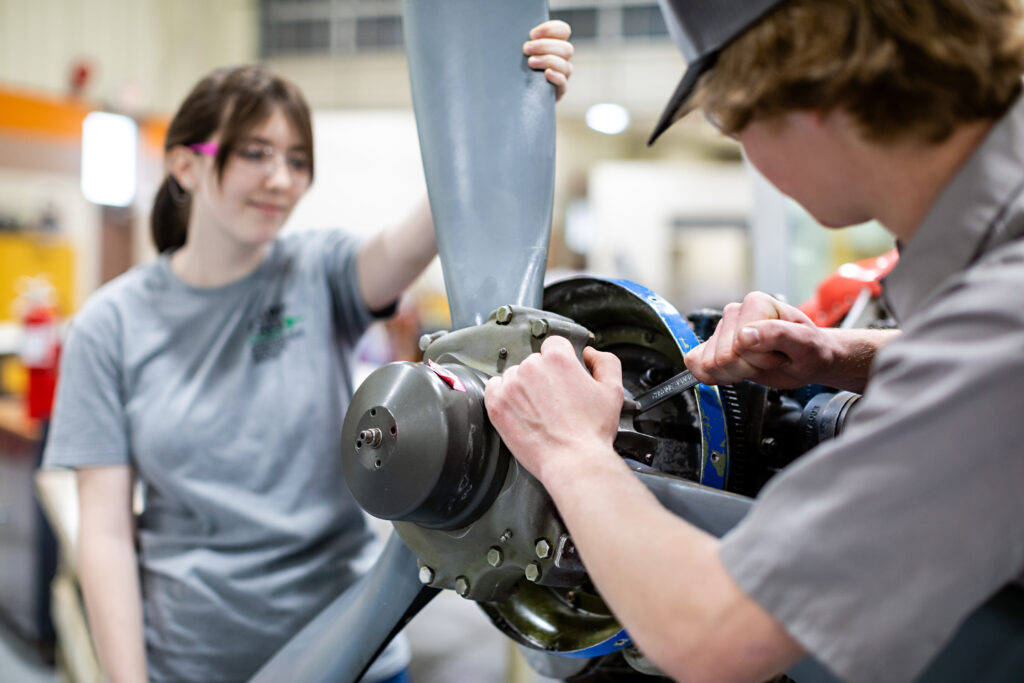
For many positions, this isn’t low-level, casual vocational training. STARS need to be highly skilled and educated and, where available, certified in their field. After all, we all want the aircraft technicians who maintained the 787 we’re on to be experts and the construction team who built and wired and plumbed our home to be competent and experienced.
Good skills-based careers start with the right institutions. Ohio and many other states are fortunate to have a publicly supported career-technical system that provides education and training for high school students and adults, preparing them for success and well-paying jobs.
Career Technical Education (CTE) Creates Job-Ready Talent
Ohio’s career-technical education (CTE) may be based in individual school districts or, more typically, be offered to students through CTE districts serving multiple schools. These cooperative CTE districts allow communities to provide state-of-the-art facilities to all while reducing the cost to individual school districts. Welding labs, veterinary surgical suites, commercial kitchens, firefighting training centers, and more can be shared by students from many areas without a burdensome cost to residents.
One of the largest such CTE districts in the country, Great Oaks Career Campuses, serves 36 school districts in all or part of 12 counties across more than 2000 square miles in southwest Ohio. Four campuses, located in Milford, Sharonville, Dent, and Wilmington, offer easy access for local communities.
Public CTE districts like Great Oaks are designed to give students the opportunity to receive advanced training and earn professional certifications at no cost to be ready for their chosen career the day they graduate from high school. (Districts often also offer career training for adults at a low cost.)
Where Education and Industry Connect
One key to the viability of CTE districts is a strong link with the professions for which students are training. At Great Oaks, a Business and Industry Advisory Council (BIAC) serves each career program. The BIAC is made up of leaders in the appropriate field; they review curriculum, advise the school on the proper training equipment and tools, keep instructors informed about changes and future directions in the industry, and often meet with students. They may assist the instructor in the classroom or lab for specific lessons, and they often provide internships or employment to give students on-the-job experience.
Instructors, who typically have extensive experience before becoming educators, may also spend their summers working or consulting with business leaders in order to stay current in their field.
That ongoing support from professionals and crossover between the school and industry ensures that students have the most up-to-date and useful training available.
Certifications and licensure further prove the value of the CTE education. Students may graduate from high school with professional credentials from such governing bodies as OSHA, the Ohio State Dental Board, the Ohio State Apprenticeship Council, FANUC, CompTIA, NCCER, the Federal Aviation Administration, and others. Those certifications show employers that the graduates are competent and ready.
STARs are everywhere. CTE helps provide a direct pipeline of STARs to local business and industry, and business and industry support helps ensure that the public career-technical education provided is relevant, meaningful, and successful for all.

By: Jon Weidlich
Great Oaks Career Campuses