

Greater Cincinnati has no shortage of talented young people. The challenge—and the opportunity—is making sure they can see themselves building their futures here.
For nearly 20 years, INTERalliance of Greater Cincinnati has worked at the intersection of students, schools, and industry to make that happen. Our mission is to inspire and assist young people as they explore technology careers while creating stronger connections between the region’s future talent and the employers who will eventually need that talent.
What makes the INTERalliance model unique is that industry isn’t simply asked to sponsor programs for students. Industry is part of the talent-development process.
Employers provide internships, mentors, speakers, workplace experiences, career guidance, and opportunities for students to lead. Students, in turn, gain something that is difficult to replicate in a classroom: an understanding of what careers actually look like, relationships with professionals, and the confidence that they belong in Greater Cincinnati’s technology community.
Connecting Students with Industry Through INTERnships
Perhaps the clearest example is the INTERalliance INTERnship Program.
Each summer, Greater Cincinnati employers provide close to 200 paid technology internships to high school students, giving young people the opportunity to work alongside professionals and contribute to meaningful projects. Over its history, INTERalliance has facilitated over 1,000 INTERnships!
These experiences are about much more than a summer job. For many students, an INTERalliance internship is their first exposure to a professional workplace—and sometimes the moment when technology changes from something they enjoy into a career they can envision.
For employers, the program creates an opportunity to engage emerging talent years earlier than traditional college recruiting.
“This is not just a learning experience for the students, we have concrete examples of students providing deliverables into production that return 3-4X value of what they cost us to have in the program.” – Chris Schmidt, Vice-President, Fifth Third
“From JumpStart to an internship in high school to studying Computer Science at UC,I literally would not be where I am today without INTERalliance. It has given me the
confidence and connections to launch my career. I am so thankful!” – Andrew Dele-Lawal, INTERalliance Intern 2023
Stories like these illustrate a larger workforce strategy: if Greater Cincinnati wants talented young people to build careers here, we need to give them reasons to build relationships here first.
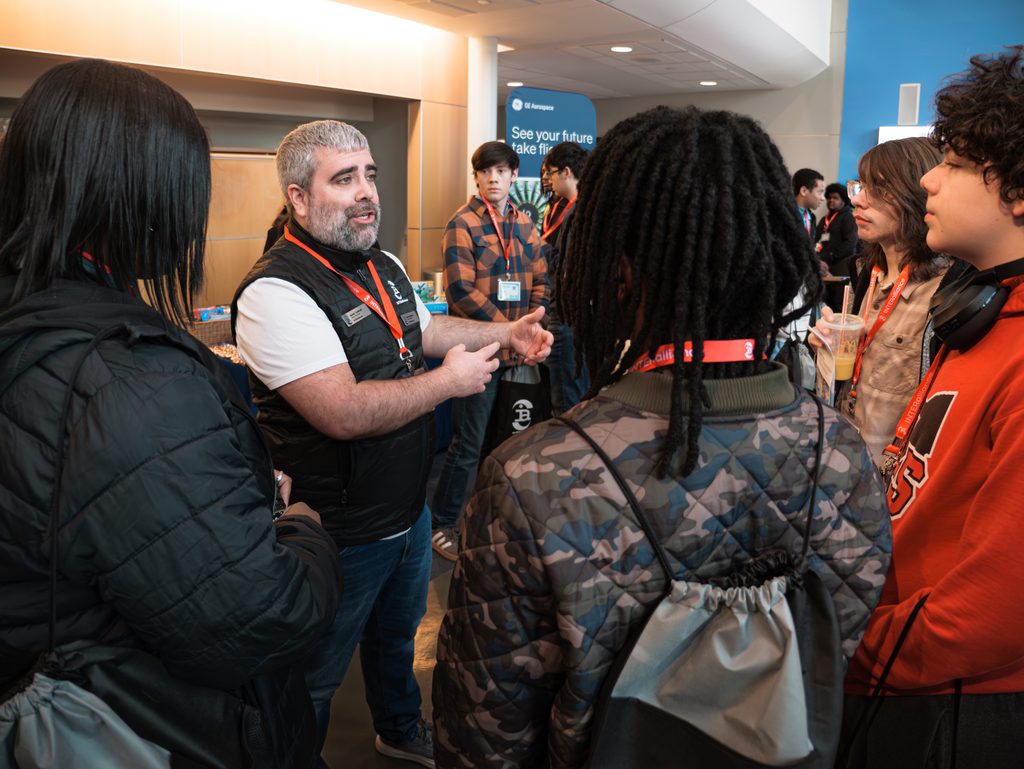
Developing Leaders, Not Just Technologists
Technical skills alone aren’t enough to build the workforce our region needs.
Through the INTERalliance Leadership Council (ILC), high school students from across Greater Cincinnati help lead the organization itself. Students plan events, engage with corporate partners, manage projects, communicate with peers, and learn to lead teams.
The result is experiential learning that develops communication, collaboration, problem-solving, professionalism, and leadership alongside technical interests.
“INTERalliance formed the foundation of who I am today. Those leadership experiences provided me with the resiliency and perseverance that I have used to start multiple companies. I still stay connected to the people I met on ILC and they are the core of my professional network.” – Anu Vora, CEO of Mindfully, INTERalliance Leadership Council 2013
This student-led approach is an important part of the INTERalliance model. We don’t simply create opportunities for students. Whenever possible, we create opportunities with students.
Creating Access, Connections and Belonging
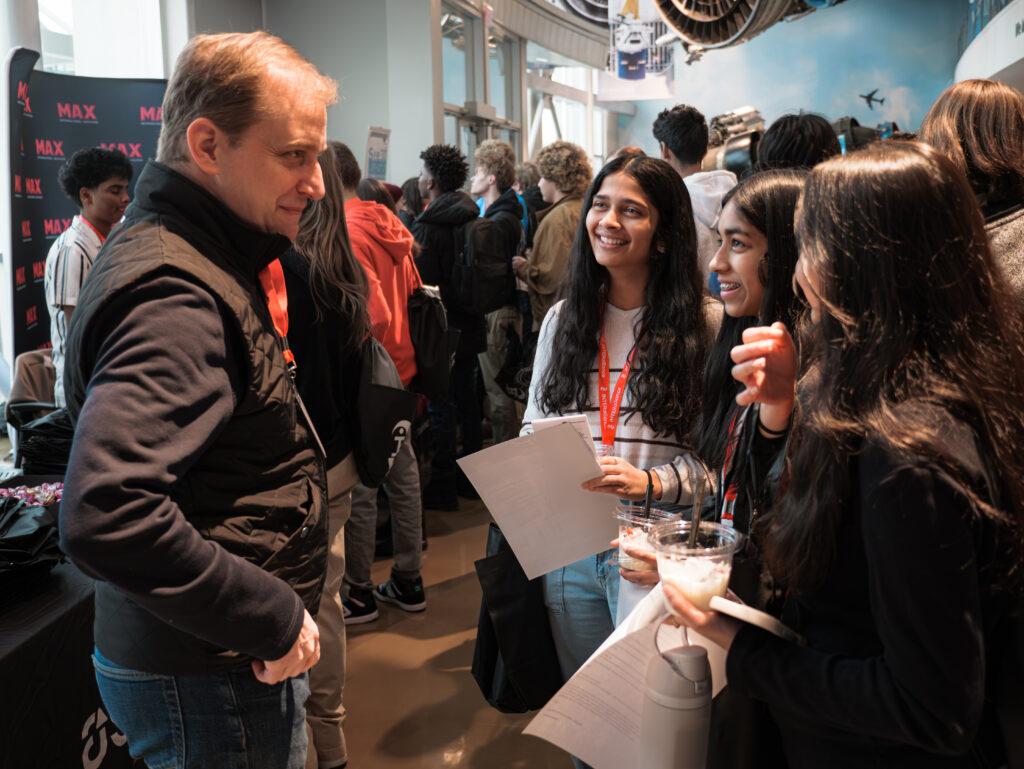
Large-scale experiences such as the Women in IT Conference, TechOlympics, and the IT Intern Summit extend that philosophy to hundreds of young people.
- Women in IT connects high school students with women working across technology roles and industries, helping young women see pathways—and role models—that may not otherwise be visible to them.
- TechOlympics is the largest student-run tech conference in the country, and connects over 300 students with hundreds of presenters, speakers, and mentors for a weekend of inspiration and professional networking.
- In collaboration with the Greater Cincinnati CIO Roundtable, the annual IT Intern Summit brings together over 200 interns and over 50 professionals from companies across the region, transforming what could be individual summer experiences into a broader community of emerging technology talent.
These events accomplish something important for regional workforce development: they help students recognize that technology careers aren’t confined to technology companies. Banks, hospitals, manufacturers, consumer brands, startups, schools, governments, and professional services organizations all need technology talent.
Building a Regional Talent Flywheel
Ultimately, INTERalliance is not simply a collection of student programs. It is part of a regional talent-development strategy.
When employers engage students early, students gain experience. Experience builds confidence and career clarity. Relationships create internships and future employment opportunities. And young professionals who benefited from those opportunities can eventually return as mentors, volunteers, hiring managers, and industry leaders.
That creates a powerful talent flywheel:
Students discover opportunities. Industry develops talent. Talent stays connected to Greater Cincinnati. And the next generation benefits from those relationships.
As our region thinks about the workforce it will need over the next decade, we have an enormous opportunity to start building that workforce today—not by waiting for talented young people to enter the job market, but by inviting them into our workplaces, professional networks, and regional community while they are still discovering what their futures might hold.
At INTERalliance, we believe the best way to retain the next generation of technology talent in Greater Cincinnati is simple:
Give them an opportunity to belong here before they have to decide where they belong.

By: Keith Koehne
Executive Director, INTERalliance